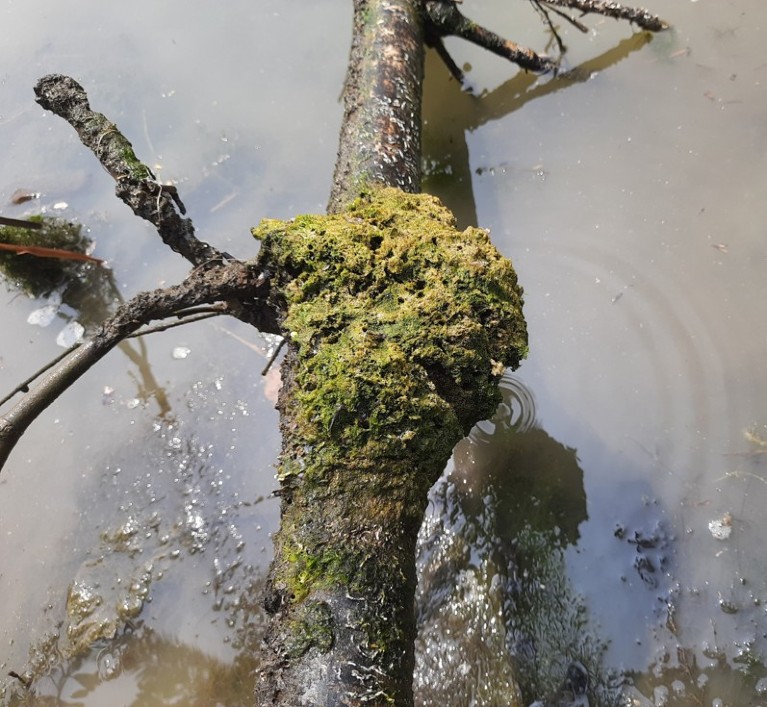
Background: The Sundarban Delta faces immense pressure from industrial runoff and heavy metal pollution. Researchers at the Bose Institute discovered that native freshwater sponges (Spongillidae) serve as excellent Bioindicators.
Basics:
- Bioindicators: Living organisms that respond to environmental changes. Sponges are "filter feeders"; they pump large volumes of water to get food, effectively "trapping" toxins like Arsenic, Lead, and Chromium in their tissues.
- Sundarban Ecology: Known for mangroves, the delta also has unique freshwater pockets where these sponges thrive.
Significance for UPSC:
- Bioremediation: If these sponges can sequester toxins, they could be used for "Bio-remediation" projects in the Ganga-Brahmaputra system.
- Prelims Fact: Note that sponges are animals (Phylum Porifera), not plants.


